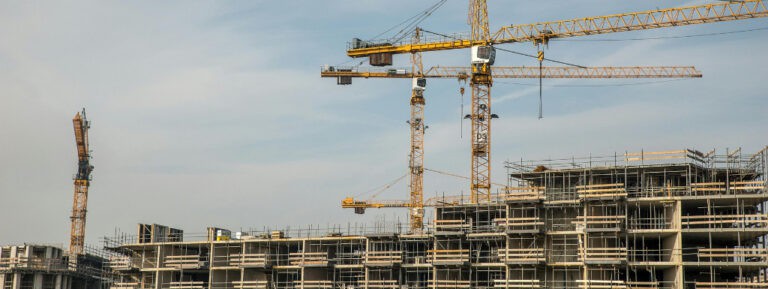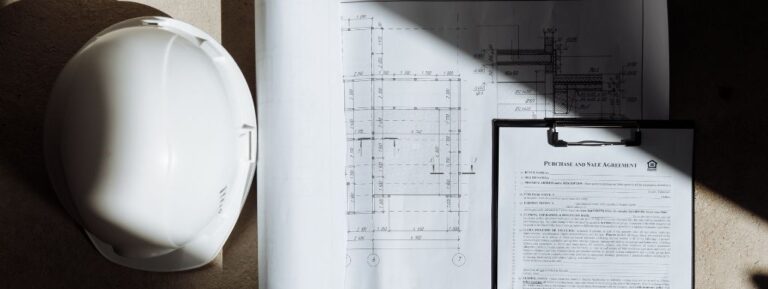
Residential and small-scale builders are often left struggling trying to navigate the construction industry. The issues faced are generally that margins are razor-thin, risks are high, and one bad project can cripple an entire business. Nonetheless, the silver lining is that these issues are generally avoidable and manageable when planning has been prioritised. Below are five of the biggest risks and warning signs smaller businesses within the industry need to be aware of, and how to manage them.
Increasing Building Costs
It is no secret that materials and labour are more expensive than ever, with prices varying astronomically between quotes and final costs. Businesses should be on high alert when entering a fixed-price contract to ensure they have the ability to absorb any cost increases .
Including price adjustment clauses where possible in contracts, along with regularly reviewing supplier quotes before committing, is advised.
Prejudiced Contracts
Construction contracts often place too much risk on builders, especially smaller-scale builders. Many of these contracts include clauses regarding variations, liquidated damages, and time extensions, which can paint builders into a corner. When these circumstances arise, builders are often left paying for delays and changes that were completely out of their hands once the dominos start to fall.
Ensure every contract is reviewed by an industry expert before signing. Even the smallest of changes can save thousands in the long run.
Delayed Payments
The reality for most small-scale builders is that lack of cash flow will often lead to their demise. Progress payments can be delayed, disputed, or reduced. This often results in needing to find finances to pay wages and suppliers while waiting for expected funds that should already be accessible.
When necessary, use Security of Payment laws within your state or territory to provide quick and enforceable ways to pursue unpaid invoices.
Project Delays
Bad weather, late approvals, or subcontractors not showing up can delay projects and are part of operating within the industry. These delays can lead to penalties, added costs, and strained client relationships.
Ensure that a detailed site record is kept while also ensuring that extension-of-time claims are submitted promptly.
Defects and Quality Claims
Under most construction contracts, responsibility for defective work, regardless of the cause, will often rest with the builder. When this occurs, rectification costs, disputes, and damage to reputation can cripple businesses.
Builders should ensure that quality control processes have been implemented. Further, using trusted subcontractors and ensuring insurance is current and up to date is important.
Final Word
The construction industry is fraught with risks, but small-scale builders can protect themselves and ensure the best recipe for success by ensuring:
- Contracts are fairly negotiated.
- Costs and cash flow are frequently calculated and monitored.
- Security of Payment legislation is used where necessary.
- Keeping up-to-date records of everything.
The critical key to avoiding the majority of the above issues is to act early. Within the construction industry, preventing and deescalating issues early will help to avoid disputes and insolvency arising. Careful and calculated management will always help small builders handle big projects with ease and confidence.
Call us today on 0730098444 or visit www.rclaw.com.au to arrange a confidential consultation.
The blog published by Rostron Carlyle is intended as general information only and is not legal advice on any subject matter. By viewing the blog posts, the reader understands there is no solicitor-client relationship between the reader and the blog published. The blog should not be used as a substitute for legal advice from a legal practitioner, and readers are urged to consult Rostron Carlyle on any legal queries concerning a specific situation.