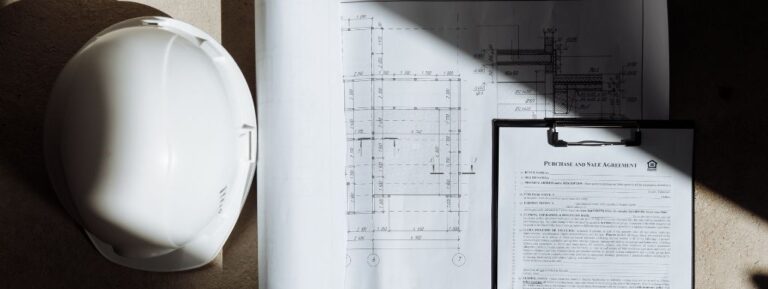
The unfortunate reality is that the construction industry constantly tops the charts in terms of legal disputes, cost overruns and insolvency. This article considers high level construction issues that builders, developers and subcontractors must be aware of and the warning signs to look out for in order to keep projects on track and companies on the right path.
Cost Blowouts and Supply Chain Issues
Since the pandemic, construction costs have steadily risen , with prices particularly for materials like steel, concrete and timber. This is compounded by the further labour shortages.
These issues have caused significant problems for projects with fixed-price contracts, which often have the effect of leaving contractors unable to pass on cost increases, frequently resulting in insolvency.
Allocation of Contract Prices
Ensuring contracts are clear, thought out and calculated is a strong foundation to avoid disputes. In terms of costs, poor contracts consist of the following
- Unclear scope of work
- Land problems
- Harsh liquidated damages clauses
- Limited or no relief for unforeseen cost increases
- Ambiguities in variations and extensions of time
Within the construction industry, if stakeholders fail to fairly distribute risk at the contract stage, it almost always resurfaces throughout the life of the contract in the form of a dispute.
Disputes of Payment
As per most industries within Australia, payment remains one of the most frequent grounds for dispute. This has been the subject of much legislation in all states and territories. . These disputes often come in the form of the following:
- Partial and delayed progress payments
- Disputes over variations
- Head contractors holding back subcontractor payments
Given that most construction projects run on slim margins, even seemingly insignificant delays can stack up and cripple a contractor’s cash flow.
Project Delays and Extension of Time Claims
Very few projects within the construction industry manage to finish on schedule due to a large host of factors including weather events, regulatory approvals, changes in design and subcontractors’ failures can and do cause delay. Disputes then occur in determining whether an extension of time is appropriate and who will bear the costs.
When a delay dispute does come to fruition, they often materialise into claims for liquidated damages or contract termination.
Defective Work and Building Quality Issues
Defective work and build quality will always remain a primary concern within the construction industry. This is furthered by many states and territories implementing legislative reforms to ensure professionalism and accountability within the industry.
In circumstances where defective work and build quality are a concern, rectification claims are often right around the corner, which are often costly and harmful to businesses’ reputations. These claims are often long-winded and expensive litigation, years after the project is finished.
Insolvency within the Industry
The harsh reality of the construction sector is that nearly a quarter of all corporate insolvencies in Australia are in the construction industry. Just last year, thousands of builders and subcontractors went under, with a large portion being the result of high building costs, delayed payments and razor-thin margins.
Unfortunately, insolvency is a snowballing effect and when a head contractor fails, subcontractors and homeowners are often left having to face significant risks and delays, which can lead to project abandons.
Insurance and Compliance Difficulties
With the ever-increasing cost of professional indemnity insurance and policy constraints within the industry, many projects fold under the pressure. These costs and regulatory demands often cut into profits and create larger barriers to entry for smaller contractors.
Conclusion
While the construction industry within Australia is undoubtedly vital, it is equally vulnerable. Issues like cost escalations, payment and delay disputes, defects, insolvencies and compliance pressures are not sudden impacts on the industry, but they are increasing and having more detrimental effects than ever before. The key takeaway should always be that success for the future depends on the following:
- Calculated contract negotiations
- Proactive project management
- Using dispute resolution early to prevent escalation
- Keeping up with changing regulatory and insurance requirements
Operating within the construction industry will always carry risks, but this does not mean that these risks are unavoidable or unpredictable. Businesses that expect and address these ongoing issues and challenges are always much more likely to successfully finish projects and avoid disputes and insolvency.
Call us today on 0730098444 or visit www.rclaw.com.au to arrange a confidential consultation.
The blog published by Rostron Carlyle is intended as general information only and is not legal advice on any subject matter. By viewing the blog posts, the reader understands there is no solicitor-client relationship between the reader and the blog published. The blog should not be used as a substitute for legal advice from a legal practitioner, and readers are urged to consult Rostron Carlyle on any legal queries concerning a specific situation.